

September often feels like a fresh start. The children return to school, activities begin again, work schedules become more structured and family life settles back into a familiar routine.
That structure can be helpful. But it can also mean spending more time sitting.
There may be longer periods at a desk, more time driving to school or after-school activities, evenings helping with homework and extra time looking down at phones, tablets and laptops.

As routines become busier, it is easy to reach the end of the day and realise that you have barely moved.
Is there really a perfect posture?
When people think about posture, they often imagine sitting completely upright with their shoulders pulled back and their spine perfectly straight.
But good posture is not about holding one rigid position all day.
Even a position that looks ideal can become uncomfortable if you remain in it for hours.
Our bodies are designed to move, adapt and change position. Sitting upright for a while may feel comfortable. At another time, leaning back and using the chair for support may feel better. Standing, walking or gently moving the shoulders can also help break up prolonged periods of sitting.
The goal is not perfection.
It is awareness.
Notice how long you have been sitting, the positions you return to and whether your body is beginning to feel stiff or uncomfortable.
What happens when we sit for long periods?
When we sit, our hips remain bent, our shoulders may gradually move forwards and our heads often drift closer to a laptop or phone screen.
None of these positions is necessarily harmful for a short period.
The difficulty can arise when the same position is repeated for long periods without enough movement or variety.
You may begin to notice:
- Tightness through the hips
- Stiffness in the lower back
- Tension around the neck and shoulders
- Difficulty straightening up after sitting
- A tendency to lean or shift onto one side
- Discomfort that becomes more noticeable as the day progresses
The answer is not to constantly correct yourself or become anxious about every position.
Instead, look for simple opportunities to move more throughout your day.
Small amounts of movement can make a difference
Movement does not always need to mean going to the gym or completing a full workout.
Standing up between tasks, walking while taking a phone call, changing your sitting position or taking a few minutes to move can all help break up a sedentary day.
September can be a useful time to look at your routine and ask:
- Where am I sitting for the longest periods?
- When could I stand or walk instead?
- What could remind me to change position?
- Are there parts of my day when I could use my time more actively?
Small changes are often easier to maintain than trying to completely redesign your day.
Use September as a reset
As the children return to their routines, it may also be a good opportunity to rebuild some of your own.
That might mean returning to regular walks, becoming more consistent with exercise, improving your sleep routine or simply paying more attention to how long you spend sitting.
Choose something realistic that fits around your family and working life.
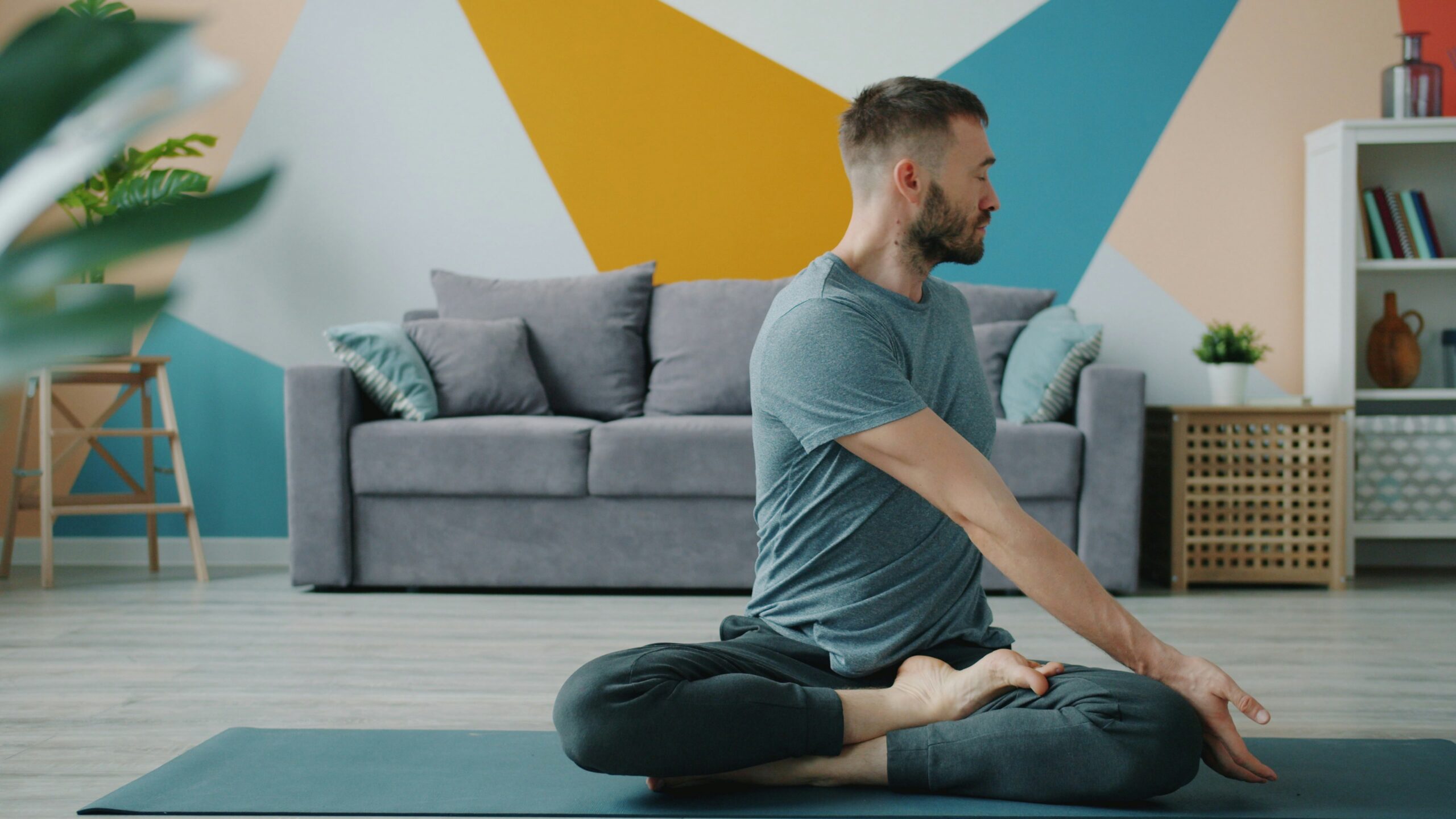
You do not need to do everything at once. A small habit that you repeat regularly is likely to be more useful than an ambitious plan that lasts only a few days.
When should you pay closer attention?
Occasional stiffness after a long day may improve once you stand up and move.
However, if neck pain, back pain or stiffness keeps returning, begins affecting your normal activities or does not improve despite making changes, it may be worth looking more closely at how your body is moving.
At Optimal Chiropractic, our assessments look at the spine, posture and overall movement to help identify areas of stiffness, imbalance or restricted function that may be contributing to your symptoms.
September does not need to be about achieving perfect posture.
It can simply be a reminder to become more aware, change position regularly and give your body more opportunities to move.
You do not need perfect posture. You need more movement.