

Being fit does not always mean your body is fully prepared for the demands of your sport. Good movement quality, mobility and control are also important parts of sports injury prevention, whether you are a runner, golfer, GAA player or active adult.
You might be able to run 10 kilometres, complete a full round of golf, play an entire GAA match or train several times a week. However, fitness, strength and sporting ability do not necessarily mean that every part of your body is moving as well as it should.
Restrictions through the ankles, hips, shoulders or spine can change how you move. Your body may then compensate by placing additional strain on another joint, muscle or area of the body.
Over time, these compensations may begin to affect your comfort, performance and enjoyment of sport.
Fitness and Movement Quality Are Not the Same
Cardiovascular fitness measures how well your heart and lungs support physical activity. Strength refers to your ability to produce force. Movement quality is slightly different.
It includes factors such as:
- How freely your joints move
- How well you control that movement
- Whether both sides of your body work evenly
- How effectively your body adapts to the demands placed upon it
A runner may have excellent endurance but limited movement through one ankle. A golfer may be strong but struggle to rotate comfortably through the spine and hips. A GAA player may be fast but lack control when landing or changing direction.
The body is extremely good at finding alternative ways to complete a movement. The problem is that these alternatives are not always the most efficient.
Why Do Some Injuries Appear “Out of Nowhere”?
Not every sporting injury is caused by a dramatic tackle, fall or sudden twist.
Some problems develop gradually through repeated loading. The same movement may be performed hundreds or even thousands of times during training and competition.
Limited mobility, poor control, sudden increases in training, inadequate recovery and repetitive movements can all contribute to increased stress on the body.
You may not notice anything initially. The first signs could be recurring tightness, stiffness after activity or discomfort that settles with rest but returns each time you train.
This can make an injury feel as though it appeared suddenly, even though the underlying strain may have been building for some time.
Different Sports Place Different Demands on the Body
Each sport challenges the body in a different way. Understanding these demands can help you recognise where movement restrictions may affect you.

Runners
Running repeatedly loads the feet, ankles, knees, hips and lower back.
Adequate movement through the ankles and hips helps the body absorb and transfer force with each step. When movement is restricted in one area, another part of the body may have to work harder.
Runners should pay attention to recurring calf tightness, hip stiffness, lower-back discomfort or the feeling that one leg is working harder than the other.
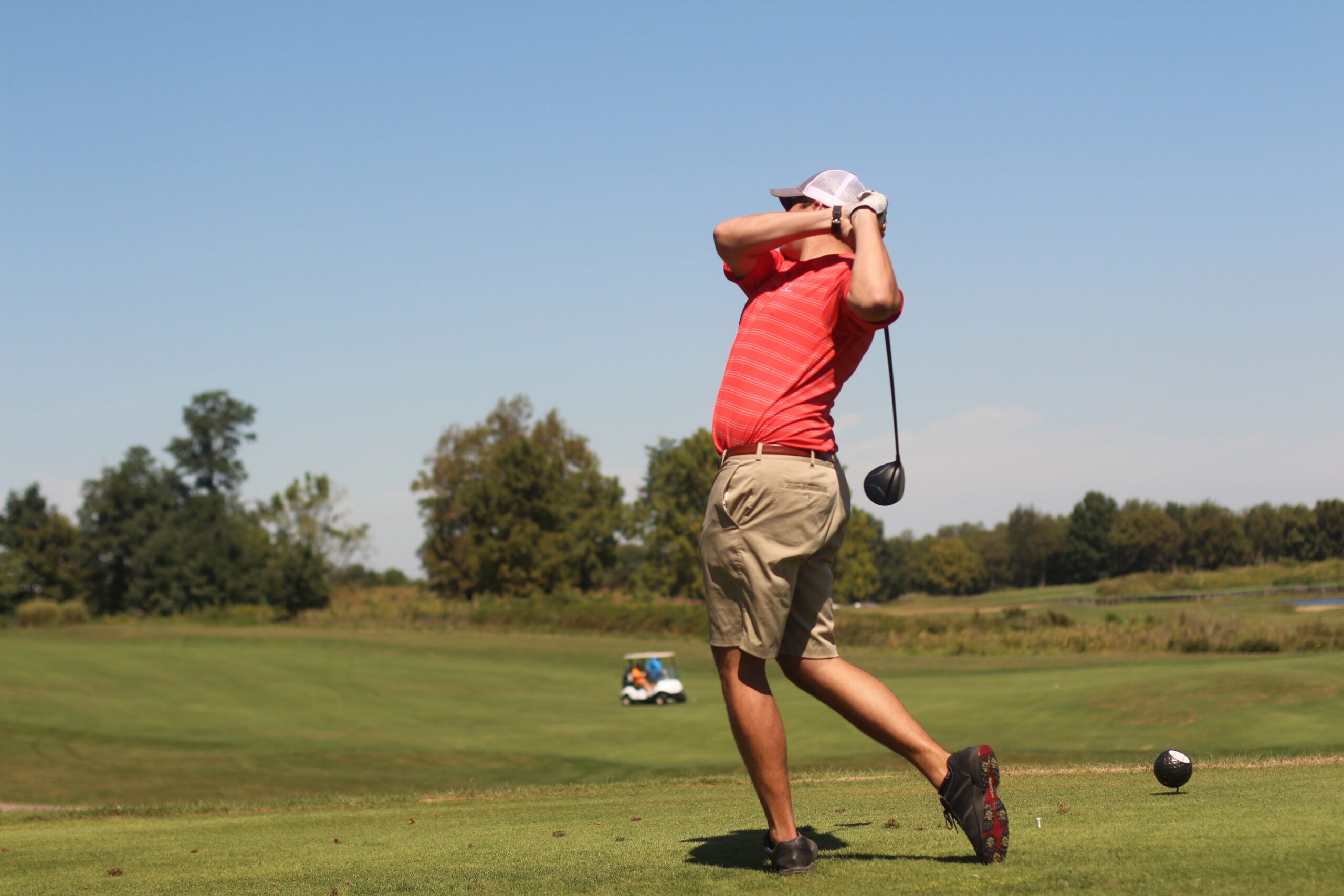
Golfers
A golf swing requires coordinated movement through the hips, spine and shoulders.
When rotation is limited, the body may compensate by placing additional pressure on the lower back, shoulders, elbows or wrists. This may affect both the comfort and consistency of the swing.
Golfers should not assume that stiffness is simply an unavoidable part of the game, particularly when it repeatedly affects the same area.
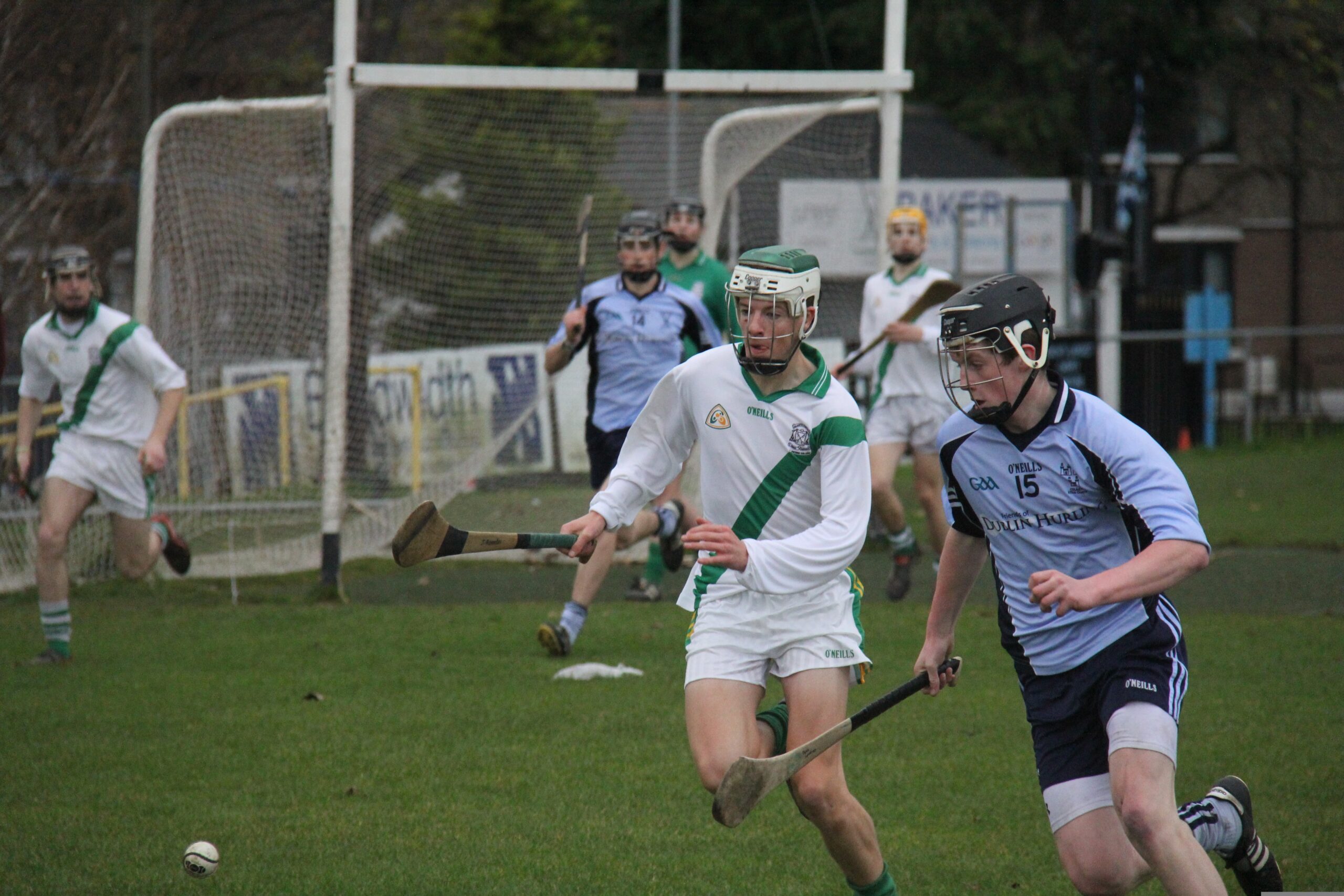
GAA Players
GAA combines running, jumping, kicking, tackling and rapid changes of direction.
Players need mobility, balance and control as they accelerate, decelerate, land and react to other players. Fatigue, restricted movement or poor control may make it more difficult for the body to manage these demands efficiently.
Recurring groin tightness, hamstring discomfort, ankle stiffness or difficulty landing evenly may be signs that an area needs attention.
Active Adults Over 40
Remaining active as we get older is one of the best things we can do for our overall health and wellbeing.
However, recovery may take longer, and changes in mobility, coordination or previous injuries may influence how the body responds to exercise.
This does not mean that people over 40 should avoid challenging activity. It means that preparation, gradual progression and recovery become increasingly important.
Maintaining movement and addressing recurring restrictions can help you continue enjoying the activities you love.
Warning Signs You Should Not Ignore
Pain is not the only indication that your body may be struggling with the demands of your sport.
Other signs can include:
- Tightness that repeatedly returns after activity
- Reduced movement on one side
- Difficulty completing movements that were previously comfortable
- Discomfort that improves with rest but returns during training
- Feeling that one leg, shoulder or side of the body works harder
- A noticeable change in balance, coordination or sporting technique
These signs do not always mean that an injury is developing, but they are worth paying attention to.
Addressing a recurring problem early is often better than continuing to train through it until it begins to limit your activity.
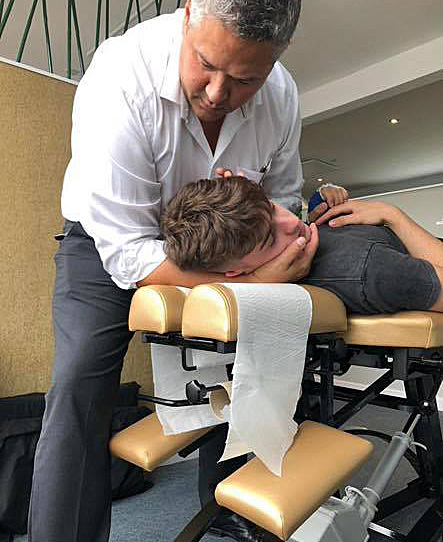
How May Chiropractic Care Help?
Chiropractic care is not only about responding when someone is already in significant pain.
A chiropractor can assess how the spine and other joints are moving and look for areas of restriction, imbalance or compensation. This may include examining movement through the ankles, hips, shoulders and spine, depending on the individual and the demands of their activity.
Care and advice may then be provided to help improve movement, reduce unnecessary tension and support the body as it manages the physical demands of sport.
No assessment or treatment can guarantee that an injury will not occur. Sporting injuries can have many causes. However, understanding how your body is moving may help you make better decisions about your training, recovery and physical preparation.
How Movement Quality Supports Sports Injury Prevention
A good injury-prevention approach should consider more than one area.
Before training or competing:
- Complete a suitable warm-up
- Include movements that prepare you for your specific sport
- Increase training distances, weights and intensity gradually
- Include appropriate strength and mobility work
- Allow sufficient time for sleep and recovery
- Use suitable equipment and footwear
- Avoid repeatedly ignoring pain or discomfort
Most importantly, listen to your body. Persistent or worsening symptoms should be assessed by an appropriate healthcare professional.
Do Not Wait Until Pain Stops You
It is easy to pay attention to your movement only when pain begins to interfere with your sport.
However, recurring tightness, restricted movement or noticeable differences between the two sides of your body may be worth addressing before they become more disruptive.
Rather than asking only whether you are fit enough for your sport, consider asking whether your body is moving well enough to manage its demands.
Preparing for a busy season of running, golf, GAA or outdoor activity?
Call 021 487 8465 to book a consultation with our chiropractic team in Ballincollig to assess how well your body is moving and whether any restrictions may be affecting your training, performance or enjoyment of sport. Click here to book online.