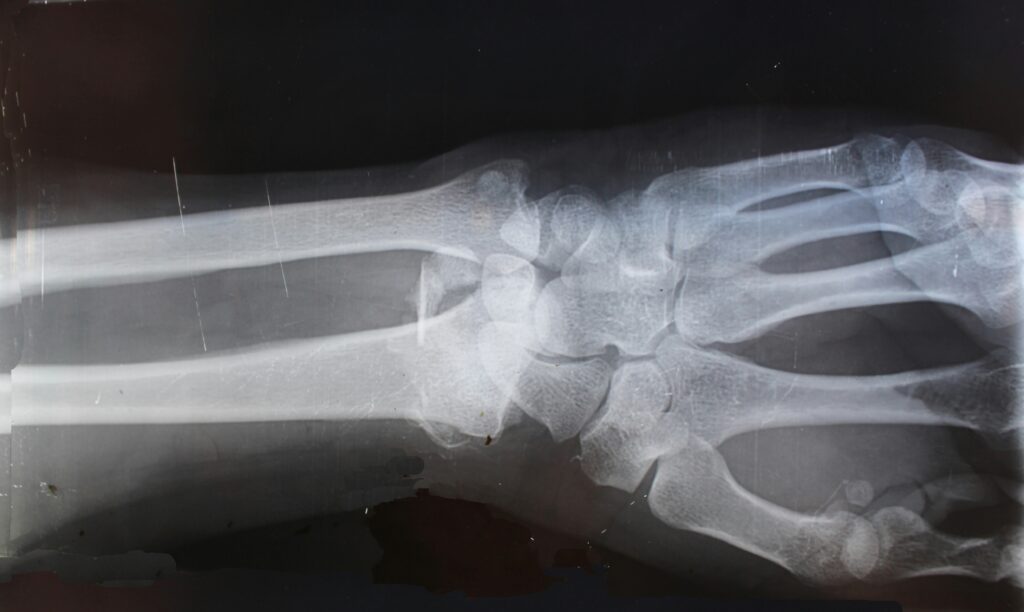
“Old injuries can influence current pain”, explains Dr. Ben Martin a Chiropractor based in Cork.
Have you ever had an old injury and thought,
“That was years ago… it can’t still matter.”
It’s a very common assumption. The pain fades, life moves on, and the injury becomes a distant memory. But the body doesn’t always forget as quickly as we do.
At Optimal Chiropractic in Ballincollig, Cork this is something we see every day. Many patients come in with new pain, only to discover it may be linked to an old injury they thought was long gone.
What Your Body Does After an Injury
When you experience an injury – whether from a car accident, a fall, or a sports knock, your nervous system goes into protection mode.
This is a normal, healthy response designed to keep you safe.
• Muscles tighten to guard the area.
• Joints stiffen to limit movement
• Your movement patterns subtly change.
Over time, the pain may settle. But those protective patterns don’t always fully reset.
So even though you feel “fine,” your body might still be moving slightly differently than before the injury.
Small Changes, Big Effects
These differences are often very subtle:
• One shoulder sitting slightly higher
• Your neck rotating less on one side
• A slight lean when sitting or standing
On their own, these changes might not cause any pain. But over months or years, the uneven load starts to build up.
A simple way to picture this is with your car.
If your wheels are slightly misaligned, you can still drive. Everything feels normal. But over time, the tyres wear down unevenly. Eventually, you notice the problem.
Your body works in much the same way.

“The Pain Came Out of Nowhere”
Many patients tell us their pain started suddenly.
“I just bent down to pick up a sock.”
“I lifted a light bag.”
“Nothing even happened.”
But in most cases, pain doesn’t begin the day something goes wrong. It builds quietly in the background.
After an injury, your body compensates beautifully. Other muscles and joints pick up the slack so you can keep working, training, and living your life.
But there’s an important difference:
Compensation isn’t correction.
Over time:
• Overworked areas become fatigued
• Movement becomes less efficient
• The nervous system becomes more sensitive
Eventually, a small movement is enough to trigger pain. It feels sudden but it has often been building for months or even years.
“My Scan Was Clear, But I’m Still in Pain”
Another common frustration we hear is:
“My scan was fine, but I still feel stiff and sore.”
Medical scans are excellent at detecting:
• Fractures
• Tears
• Major structural changes
But they don’t show everything.
Scans don’t measure:
• How well your joints are moving
• Muscle tension patterns
• Subtle compensations in your posture or movement
• How your nervous system is handling stress
Old injuries may reduce movement in one area of the spine. The body adapts by asking other areas to move more. Over time, this creates imbalance.
And imbalance doesn’t always show up on imaging but you can definitely feel it.
Pain is about function, not just structure.
So if you’ve ever felt dismissed because “nothing showed up,” it’s important to know that your experience is valid.
Why We Always Ask About Old Injuries
During your initial consultation as a new patient in our office in Ballincollig, when we ask about past injuries, we’re not trying to focus on the past for the sake of it.
We ask because:
• The body remembers previous stress and trauma
• Old injuries can influence how you move today
• The cause of your pain may be different from where you feel it
Understanding your history helps us look at the bigger picture, not just the area that hurts right now.

When Should You See Your local Chiropractor?
You may benefit from an assessment if:
• You’ve had an injury in the past, even years ago
• Pain seemed to appear “out of nowhere”
• You feel stiff despite a clear scan
• One side of your body feels different from the other
These are often signs your body has been compensating for a while.
At Optimal Chiropractic in Cork, we don’t just rely on how something looks structurally. We also assess how your body is functioning.
As part of your new patient consultation, we use advanced INSiGHT™ neurological scanning technology to measure how your nervous system is working. (We are the only clinic in Cork using this advanced technology). These non-invasive scans help us assess muscle activity, nerve stress, and how well your body is adapting to physical and emotional strain.
This gives us information that traditional medical imaging doesn’t provide – especially when it comes to:
Movement patterns
Muscle tension and symmetry
Nervous system stress levels
Areas of compensation or imbalance
So even if you’ve been told your scan is “normal,” there may still be functional issues that can be assessed and addressed.
A Final Thought
Your body is incredibly adaptable. It can compensate for years without obvious symptoms. But just because the pain disappeared doesn’t always mean everything returned to normal.
Sometimes, your body has been whispering long before it starts shouting.
If you’re unsure whether an old injury could still be affecting you, our team at Optimal Chiropractic is here to help.
Click on book appointment or call us on 021 487 8465.